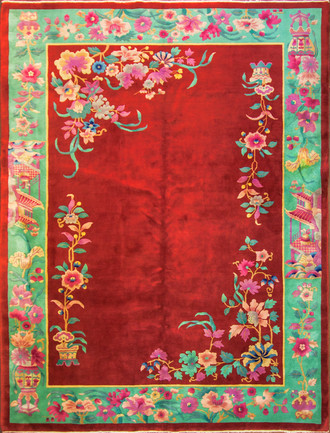
Walter Nichols was great American rug producers (the Art Deco rugs which he did not originate them ) in Tientsin. The rugs made of wool and silk with bold vibrant colors and the pattern are pictorial scenes and trees, birds, clouds, mountains, dragons, butterfly and flowers. The production of Art Deco rugs started from 1910s-1950s, and mostly with western influence.
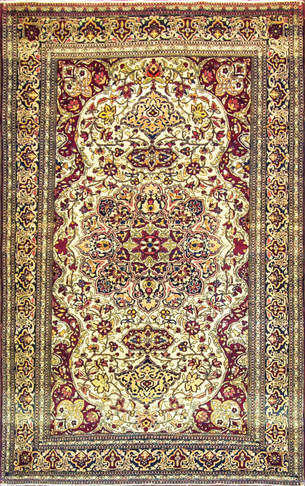
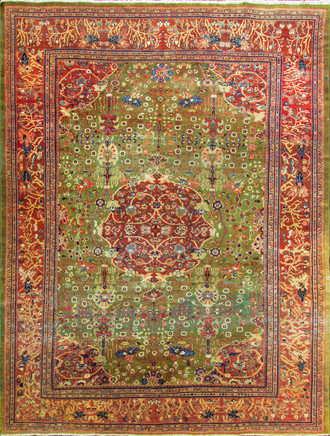
The Iranian city of Isfahan has long been one of the centres for production of the famous Persian carpet. Isfahani carpets are known for their high quality. The most famous workshop in Isfahan is Seirafian. Weaving in Isfahan flourished in the Safavid era. But when the Afghans invaded Iran, ending the Safavid dynasty, the craft also became stagnant. The high knot density antique carpets in which Isfahan excelled continued to be woven in the late 19th and 20th centuries, maintaining the original inspiration and attention to refinement and detail.
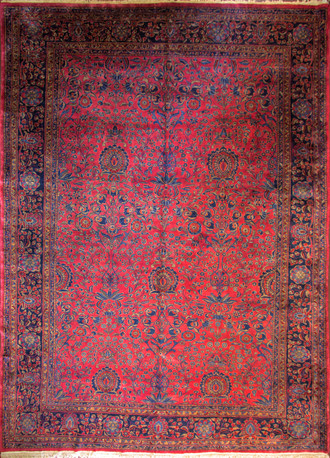
This magnificent antique Persian Sarouk Mohajeran carpet is an exceptional example of the finest weaving tradition from the Mohajeran village near Sarouk. Woven around 1910, during the golden age of Mohajeran production, it represents one of the highest grades of Sarouk weaving, prized for its lustrous hand-spun wool, dense construction, elegant floral drawing, and remarkable durability.
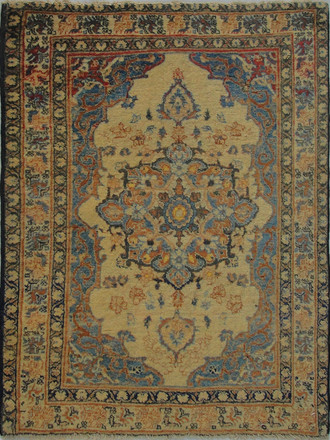
The city of Tabriz is situated in North West Persia and it is one of the largest cities and also the capital in the province of Azerbaijan and was the earliest capital of the Safavid dynasty and it can claim to have been a center of carpet production longer than any other city in Iran. The population comprising of the Azaris, who are the largest ethnic minority in Iran and speak the Turkish dialect. The city is old and has for centuries been a very important trading place and border station. A good Tabriz has a short and rough pile
his exquisite antique Persian Hajji Jalili Tabriz rug is a miniature masterpiece that reflects the artistic genius of one of the most celebrated weaving traditions in Persia. Woven around 1880, it exemplifies the refined taste and extraordinary craftsmanship associated with the famed Hajji Jalili workshop, whose rugs are admired for their graceful drawing, delicate palettes, and exceptionally fine weave.
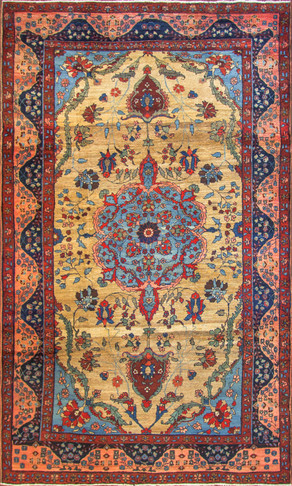
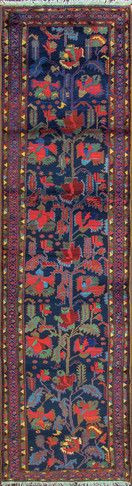
The Bakhtiari tribe, based in Chahar Mahaal and Bakhtiari, is well known for their rugs and weavings. They have been weaving rugs exported around the globe since the early 19th century.
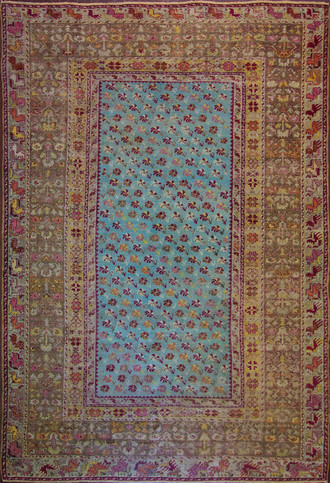
The Ghiordes captured the hearts of European collectors in the 1700s. Ture s, highly decorative spandrel and gorgeous monochromatic fields. These stunning rugs are typically made from the highest quality wool. This construction technique produces beautiful and extremely durable rugs. The grand room-sized carpets of Ghiordes include a marvelous variety of angular medallions, graceful curvilinear arabesques and repeating motifs. In general, antique Turkish carpets from the area tend to favor botanical motifs and florals rather than the angular symbols that are depicted in some Turkish rugs.