Caring for Antique Oriental Rugs
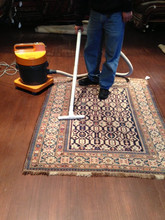
Caring for Antique Oriental Rugs and Carpets
Professional Advice for Protecting and Preserving Your Rugs
Antique Oriental rugs are more than decorative floor coverings. They are handmade works of art that can remain beautiful and useful for generations when properly cared for.
At Eli Peer Oriental Rugs, we draw upon more than 50 years of experience buying, selling, examining, and preserving antique rugs to help customers protect their investments and enjoy their rugs for many years.
Proper maintenance does not have to be complicated. However, a few important precautions can make a significant difference in preserving a rug's condition, appearance, and value.
Use the Right Rug Pad
A good-quality rug pad is one of the most important ways to protect a handmade rug.
The appropriate pad helps reduce slipping, cushions the rug against foot traffic, and minimizes unnecessary stress on the foundation.
Not every pad is suitable for every rug or floor surface. The correct choice depends on the rug's construction, thickness, condition, location, and the type of flooring underneath.
We are happy to recommend suitable padding for individual rugs.
Protect Rugs from Direct Sunlight and Excessive Heat
Prolonged exposure to strong sunlight can gradually fade the colors of even the finest antique rugs.
Whenever possible, avoid placing valuable carpets in areas exposed to intense, direct sunlight for extended periods. Window coverings or UV-filtering treatments may help reduce exposure.
Rugs should also be kept away from excessive heat, including fireplaces, radiators, and heating vents.
Avoid Moisture and Water Damage
Moisture can be especially damaging to antique rugs.
Never allow a rug to remain damp for an extended period. Water trapped beneath flowerpots, furniture, or other objects can cause mildew, unpleasant odors, dye migration, and deterioration of the rug's foundation.
If a rug becomes wet, prompt attention is important. Significant spills, flooding, or prolonged moisture exposure should be evaluated by a professional.
Vacuum Carefully and Regularly
Regular vacuuming helps remove surface dust and dirt before they become deeply embedded in the rug.
For many antique rugs, gentle suction without an aggressive rotating beater brush is preferable, particularly when the pile is worn or the foundation is fragile.
Avoid pulling loose fringes or damaged edges into the vacuum cleaner.
For particularly delicate rugs, a soft hand broom or other gentle cleaning method may be more appropriate.
Regular household vacuuming is important, but it does not replace periodic professional cleaning to remove deeply embedded dirt and grit.
Rotate Rugs to Distribute Wear
We recommend rotating rugs approximately every six months when practical.
This helps distribute foot traffic more evenly and can reduce uneven wear and exposure to sunlight.
Rugs placed in busy areas may benefit from more frequent attention.
Protect Rugs from Heavy Furniture
Heavy furniture can place considerable pressure on a rug's pile and foundation.
Furniture cups or suitable protective supports can help distribute weight and reduce concentrated pressure.
When possible, periodically check the areas beneath heavy furniture for wear, crushing, moisture, or insect activity.
Moth Prevention and Regular Inspection
Moth damage is one of the most serious threats to wool rugs, particularly valuable antique carpets.
Moth larvae feed on wool fibers and can cause significant damage before the infestation becomes noticeable.
Areas beneath furniture, along the edges, and on the reverse side of rugs are particularly vulnerable because they are often dark and undisturbed.
We strongly recommend regular inspection of antique wool rugs, including the areas that are not normally visible.
Vacuuming accessible areas, periodically moving furniture, and examining both sides of the rug can help identify potential problems.
Customers with valuable collections, rugs in storage, or previous moth problems should consider professional inspections.
At Eli Peer Oriental Rugs, we provide guidance on moth prevention, rug maintenance, and annual inspections to help customers recognize problems before serious damage occurs.
Do Not Ignore Loose Fringes or Damaged Edges
One of the most common mistakes rug owners make is waiting too long to repair minor damage.
Loose fringes, unraveling ends, damaged side cords, and small holes can gradually become much larger problems.
In many cases, a relatively simple repair performed early can prevent the need for more extensive and expensive restoration later.
Early attention to minor damage is often the most economical way to preserve an antique rug.
Professional Cleaning and Long-Term Preservation
Even with careful household maintenance, antique rugs periodically require professional cleaning.
Embedded dust and abrasive particles can accumulate deep within the foundation, contributing to gradual fiber deterioration.
The appropriate cleaning method depends on the rug's age, materials, dyes, condition, and construction.
At Eli Peer Oriental Rugs, all professional rug cleaning and repair work is performed at our own facilities in Evanston, Illinois, or at our nearby warehouse.
We also offer professional repair, restoration, conservation, and appraisal services.
For additional information about maintaining and preserving your rugs, please visit our professional Cleaning Antique Rugs and Carpets and Repair and Conservation pages.
Contact Eli Peer Oriental Rugs
If you have questions about caring for an antique rug, selecting the right pad, preventing moth damage, or deciding whether cleaning or repair is necessary, we welcome your inquiries.
Eli Peer Oriental Rugs
1501 Chicago Avenue
Evanston, Illinois 60201
Office: (847) 328-3281
Cell: (847) 226-0211
Email: peerantiquerugs@gmail.com
Website: www.peerrugs.com